


If you’re helping an aging parent, spouse, grandparent, or loved one with a disability, you’ve probably learned that caregiving can be both rewarding and overwhelming.
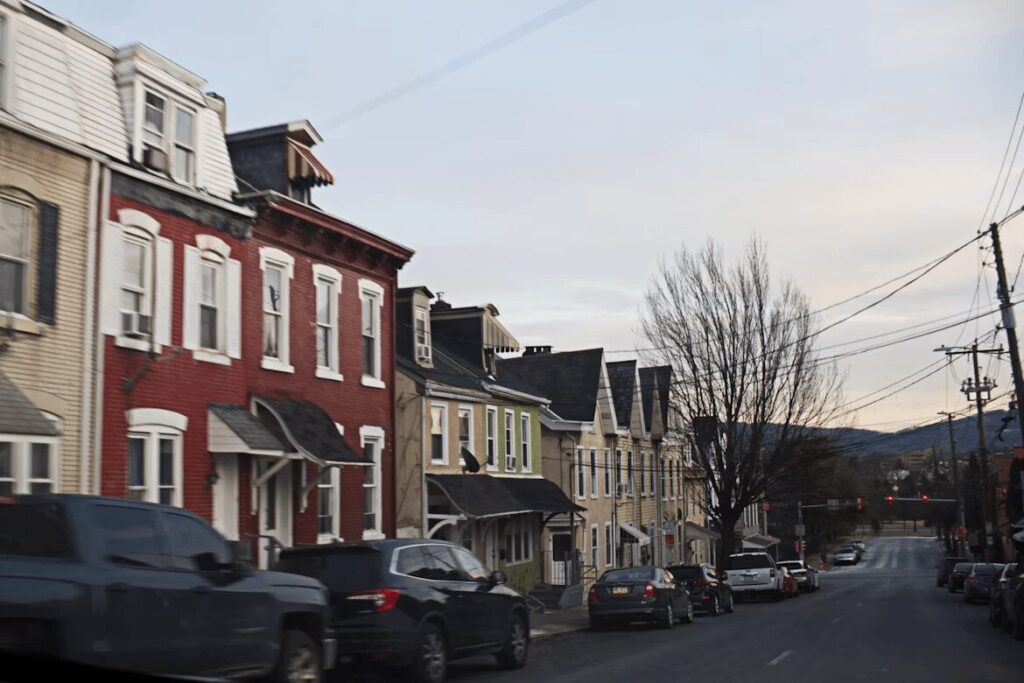
Many family caregivers in Allentown, Bethlehem, Easton, (ABE) and throughout the Lehigh Valley spend countless hours helping loved ones with meals, transportation, medication reminders, personal care, and everyday tasks. While most caregivers provide this support out of love, many don’t realize there are programs in Pennsylvania designed specifically to help them.
The PA Caregiver Support Program and other local resources can provide education, respite care, benefits counseling, and even financial assistance in certain situations. Understanding what’s available can help caregivers avoid burnout while continuing to provide quality care at home.
At Pristine Home Care, we regularly speak with family caregivers who are balancing work, family responsibilities, and caregiving duties all at once. Knowing where to find support can make a meaningful difference.
TL;DR: What Is the PA Caregiver Support Program?
The Pennsylvania Caregiver Support Program helps unpaid family caregivers access resources that may include care management, caregiver education, respite care, benefits counseling, and reimbursement for certain caregiving-related expenses.
The program is administered through Pennsylvania’s Area Agencies on Aging and is designed to help caregivers maintain healthy caregiving relationships while supporting loved ones at home.
Key Takeaways
- Pennsylvania offers several resources to support unpaid family caregivers
- The PA Caregiver Support Program may provide education, respite care, and financial assistance
- Some caregivers may qualify for reimbursement of caregiving-related expenses
- Family caregivers may have options to become paid caregivers in certain situations
- Lehigh Valley caregivers have access to local resources in Allentown, Bethlehem, and surrounding communities
- Caregiver burnout is common and support is available
Resource #1: Pennsylvania's Caregiver Support Program
The PA Caregiver Support Program is one of the most valuable resources available to family caregivers.
Depending on eligibility, support may include:
- Care management
- Caregiver education and training
- Benefits counseling
- Respite care services
- Reimbursement for approved caregiving expenses
- Home modification assistance in certain situations
The program was created to help caregivers continue providing care while reducing stress and improving quality of life for both the caregiver and care recipient.
For official information, visit the Pennsylvania Department of Aging’s Caregiver Support Program page.
Resource #2: Family Caregiver Education and Training
Many people become caregivers overnight with little preparation.
Caregiver education programs can help families learn:
- Safe caregiving techniques
- Dementia care strategies
- Stress management skills
- Communication approaches
- Community resource navigation
The right education can help caregivers feel more confident and reduce unnecessary stress.
→ Visit the Penn Memory Center for training for caregivers caring for a family member or loved one with Alzheimer’s disease (AD) and other forms of dementia.
Resource #3: Respite Care Services
One of the biggest mistakes caregivers make is trying to do everything themselves.
Respite care provides temporary relief so caregivers can:
- Attend appointments
- Run errands
- Rest and recharge
- Spend time with family
- Focus on their own health
Many caregivers wait too long before asking for help. Taking breaks is not selfish. It’s an important part of sustainable caregiving.
Resource #4: Home Care Support for Family Caregivers
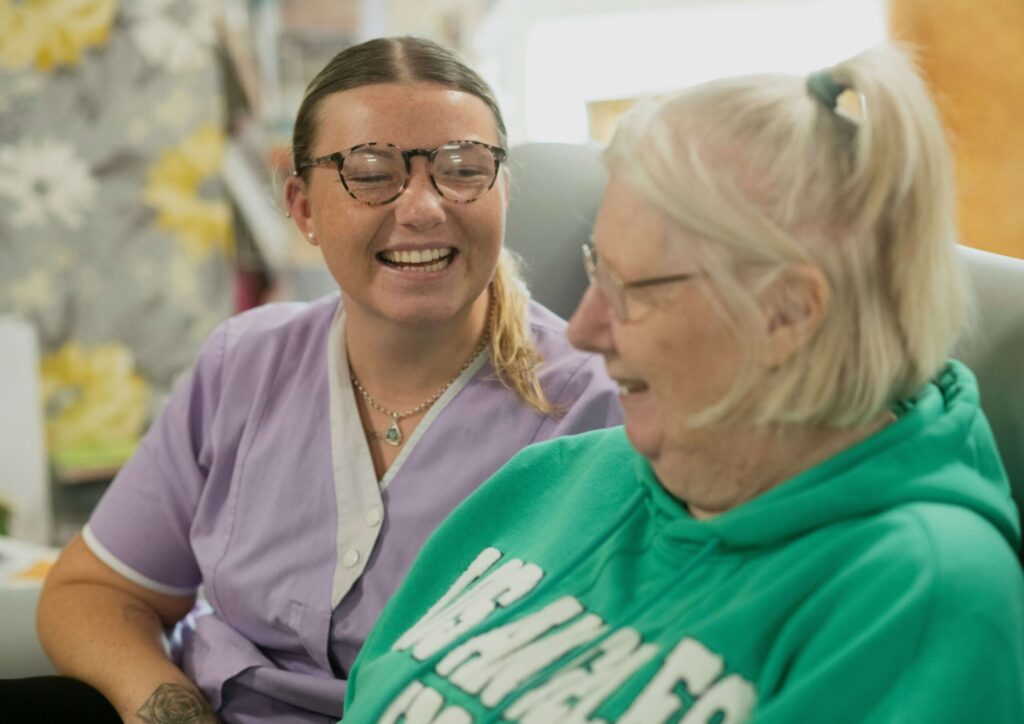
Many caregivers do not realize that home care can support both the person receiving care and the family member providing it. When a loved one needs help every day, even small tasks can start to feel heavy over time. Home care gives families another layer of support so one person is not carrying the full responsibility alone.
A professional caregiver can help with non-medical daily needs like personal care, bathing, dressing, meal preparation, companionship, transportation, and light housekeeping. This can give family caregivers time to rest, work, run errands, attend appointments, or simply breathe without worrying that their loved one is alone.
For many families, home care also helps preserve the relationship. Instead of every interaction becoming about tasks, reminders, and stress, family members can spend more time being a daughter, son, spouse, or grandchild again.
At Pristine Home Care, we work with families throughout Allentown, Bethlehem, Easton, and the greater Lehigh Valley who need extra support navigating caregiving responsibilities while helping loved ones stay safe and comfortable at home.
Resource #5: Programs That May Help Family Caregivers Get Paid
One of the most common questions we hear from families is:
Can I Get Paid to Take Care of My Mother?
In many cases, yes.
Pennsylvania offers programs that may allow eligible family members to provide care for a loved one and receive compensation for the support they already provide every day. This can be especially helpful for adult children who help with personal care, meal preparation, transportation, medication reminders, and other daily activities that allow a parent to remain safely at home.
Eligibility depends on factors such as the individual’s care needs, insurance coverage, and program requirements. Some programs allow family caregivers to be paid directly, while others may provide reimbursement or financial assistance related to caregiving responsibilities.
Because every family’s situation is unique, it’s important to explore all available options. At Pristine Home Care, we regularly help families understand caregiver programs and navigate resources that may make it possible to care for a loved one while receiving compensation for the support they provide.
Resource #6: Local Caregiver Resources in Allentown and Bethlehem
Many caregivers are surprised to learn how many resources exist right here in the Lehigh Valley.
Allentown is one of Pennsylvania’s fastest-growing cities and continues to see growth among retirement-age residents. As more families support aging loved ones at home, the demand for caregiver resources continues to increase.
Bethlehem serves as an important healthcare and community resource hub for the Lehigh Valley, providing families with access to senior services, caregiver resources, and support organizations.
Local Area Agencies on Aging can often help caregivers identify programs they may qualify for and connect them with additional support.
Philadelphia Caregiver Support Program
While this guide focuses on caregiver resources available in Allentown, Bethlehem, and throughout the Lehigh Valley, families in the Philadelphia area may also benefit from the Philadelphia Corporation for Aging (PCA) Caregiver Support Program.
The program helps unpaid family caregivers access support services that may include:
- Care management and benefits counseling
- Caregiver education and training
- Respite care services
- Financial assistance for approved caregiving expenses
- Referrals to additional caregiver resources
According to PCA, support may be available for caregivers assisting older adults, individuals with disabilities, and people living with dementia.
Families in the Philadelphia region can learn more by visiting the Philadelphia Corporation for Aging’s Caregiver Support Program page:
Resource #7: Support for Caregiver Burnout and Isolation
Caregiver burnout is more common than many people realize.
Family caregivers often juggle employment, parenting responsibilities, household tasks, and caregiving duties simultaneously. Over time, this can lead to emotional exhaustion, stress, social isolation, and feelings of overwhelm.
If caregiving is beginning to affect your well-being, it’s important to seek support before burnout becomes severe.
For additional guidance, read our related resource:
Many of the same strategies that help reduce loneliness for seniors can also support caregivers by strengthening community connections and reducing isolation.
What Are the Four Types of Caregivers?
Caregivers generally fall into four categories:
Family Caregivers
Family members who provide unpaid support to a loved one.
Professional Caregivers
Trained caregivers who provide personal care and assistance through a home care agency.
Independent Caregivers
Individuals hired privately by families outside of an agency structure.
Informal Caregivers
Friends, neighbors, or community members who regularly help someone without compensation. Many caregivers move between these roles over time as a loved one’s needs change.
What Is the Difference Between Home Care and Home Health?
This is another question families frequently ask.
Home Care
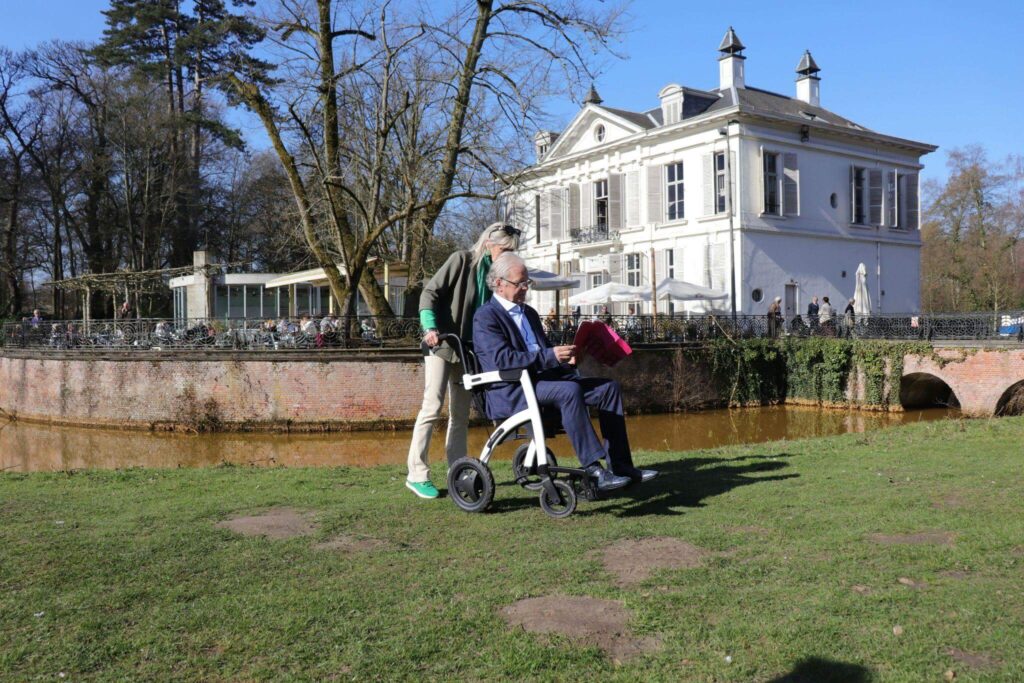
Home care focuses on non-medical assistance with daily activities such as:
- Bathing
- Dressing
- Meal preparation
- Transportation
- Light housekeeping
- Companionship
Pristine Home Care provides non-medical home care services designed to help individuals remain independent at home.
Home Health
Home health services are clinical in nature and may include:
- Skilled nursing
- Physical therapy
- Occupational therapy
- Medical monitoring
Home health is typically prescribed by a healthcare provider and delivered by licensed medical professionals.
Understanding this distinction helps families identify the right support services for their situation.
How Do You Apply for the PA Caregiver Support Program?
Applications are generally handled through local Area Agencies on Aging.
The process may include:
- Eligibility review
- Caregiver assessment
- Care recipient assessment
- Care planning recommendations
- Identification of available services and supports
For official information, visit:
→ Pennsylvania Department of Aging Caregiver Support Program
Need Support as a Family Caregiver?
Providing care for a loved one is one of the most meaningful responsibilities a person can take on, but it shouldn’t be something you have to navigate alone.
At Pristine Home Care, we help families throughout Allentown, Bethlehem, Easton, and the greater Lehigh Valley explore home care options, caregiver resources, and support services that make aging at home safer and more sustainable.
Whether you’re looking for respite support, exploring caregiver programs, or wondering if you can become a paid caregiver for a family member, our team is here to help point you in the right direction.
To learn more about Pristine Home Care services in Allentown, Bethlehem, and throughout the Lehigh Valley, call our local team at (215) 623-9726. Families in Philadelphia and surrounding counties can also reach our Philadelphia office at (215) 621-7431.
Frequently Asked Questions
Q: What is the Pennsylvania Caregiver Support Program?
A: A state-supported program that helps unpaid caregivers access education, respite care, care management, and other support services.
Q: Can I get paid to take care of my mother in Pennsylvania?
A: Some programs may allow family members to become paid caregivers depending on eligibility requirements and funding sources.
Q: Who qualifies for caregiver support in Pennsylvania?
A: Eligibility varies based on the caregiver’s relationship to the care recipient, age requirements, care needs, and other factors.
Q: Is caregiver burnout common?
A: Yes. Many family caregivers experience emotional, physical, and mental exhaustion without adequate support.
Q: Where can Lehigh Valley caregivers find help?
A: Local Area Agencies on Aging, community organizations, and home care providers can help connect caregivers with available resources.
Disclaimer
This content is for informational purposes only and is not legal, financial, or medical advice. Program eligibility, reimbursement amounts, and caregiver benefits may change. Always verify current requirements directly with the Pennsylvania Department of Aging or your local Area Agency on Aging.