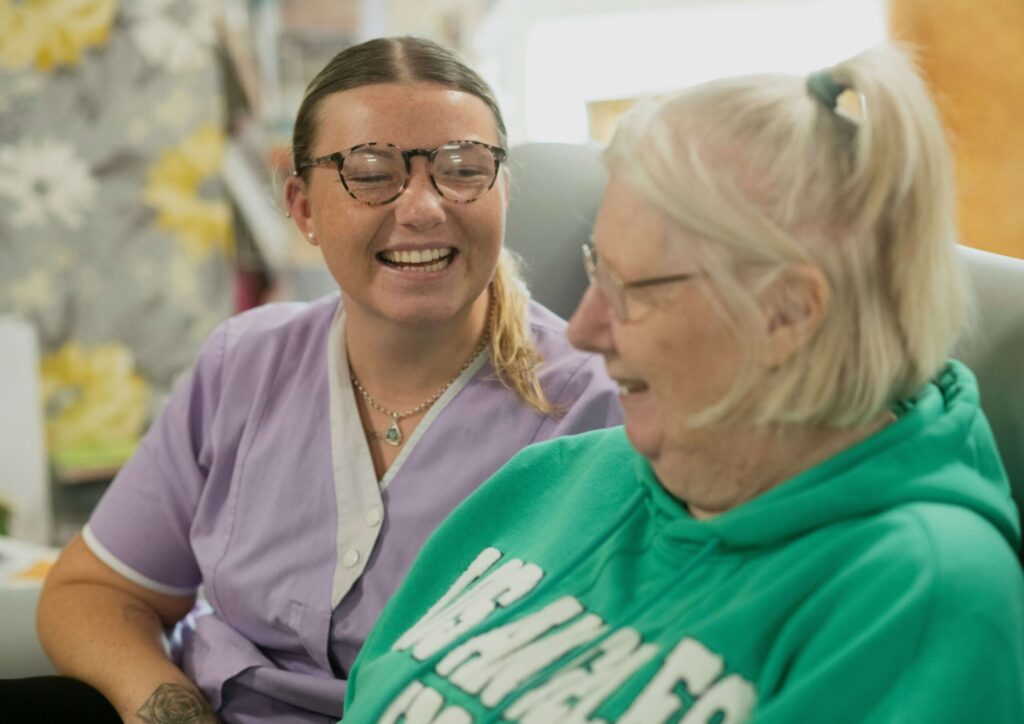




What Families in Allentown, PA Should Know About Senior Isolation and Aging at Home
As more seniors choose aging at home over assisted living facilities, many families are beginning to notice a quieter challenge affecting older adults across Pennsylvania: loneliness.
For seniors in Allentown and throughout the Lehigh Valley, isolation can happen gradually. A parent who once stayed active in the community may stop attending events. Daily phone calls become shorter. Meals are skipped. Familiar routines begin to change.
These moments are easy to dismiss at first.
Many older adults do not openly talk about loneliness, even when social isolation is beginning to affect their emotional and physical wellbeing. In many cases, families only recognize the issue after changes become more noticeable.
For older adults aging at home, emotional wellbeing matters just as much as physical safety. Human connection, conversation, routine, and daily interaction all play an important role in helping seniors maintain quality of life as they age.
Families throughout Allentown are increasingly exploring companion care services, social support, and aging-at-home resources that help loved ones stay engaged, connected, and independent.
Key Takeaways
- Loneliness in seniors often develops gradually and may affect emotional and physical wellbeing
- Many families notice signs of isolation before realizing a parent needs additional support
- Companion care services can help seniors remain socially connected while aging at home
- Care companion services may include meal preparation, transportation, errands, companionship, and routine support
- Bilingual home care support may help seniors feel more comfortable and understood
- Families in Allentown and Lehigh Valley are increasingly seeking support that helps loved ones remain independent at home
Why Loneliness in Seniors Often Goes Unnoticed
Loneliness in older adults does not always look obvious.
In many cases, it appears through subtle changes that slowly become part of everyday life. Seniors who live alone may gradually lose opportunities for regular social interaction, especially after retirement, mobility changes, or the loss of close friends or spouses.
Living independently can provide comfort and familiarity, but it may also increase the risk of social isolation if seniors begin spending long periods of time alone.
In Pennsylvania, winter weather can make this even more difficult. Allentown experiences all four seasons, including snowy winters and periods of summer heat that may make transportation, errands, and social activities harder for seniors living independently.
Many families are surprised to learn that loneliness may affect more than emotional health. According to the CDC, social isolation in older adults may be associated with increased risks related to depression, cognitive decline, and overall health complications.
That is one reason many families begin exploring companion care services for seniors before situations become overwhelming.
1. Your Parent Stops Participating in Activities They Once Enjoyed
One of the earliest signs of loneliness in seniors is withdrawal from hobbies, routines, or social activities they once enjoyed.
Families may notice a parent:
- Stopping attendance at church or community events
- Avoiding phone calls or family gatherings
- Losing interest in hobbies
- Spending more time alone at home
Sometimes these changes happen slowly over months, making them difficult to recognize at first.
When seniors lose regular social interaction, everyday routines can begin feeling less meaningful and emotionally draining.
2. Meals Become Irregular or Nutrition Declines
Families often overlook how closely loneliness and nutrition are connected.
Seniors who live alone may begin skipping meals, avoiding grocery shopping, or losing motivation to cook for themselves regularly.
Common signs include:
- Expired food in the refrigerator
- Reduced appetite
- Weight loss
- Empty kitchen cabinets
- Increased reliance on processed or frozen foods
Companion home care services often include meal preparation, grocery shopping assistance, and routine support that help seniors maintain healthier eating habits while living independently.
Even something as simple as sharing conversation during mealtime can help older adults feel more engaged throughout the day.
3. The Home Starts Looking Different
A noticeable change in household cleanliness or organization may signal that daily routines are becoming more difficult emotionally or physically.
Families sometimes notice:
- Laundry piling up
- Unopened mail
- Dishes left in the sink
- Increased clutter
- Forgotten household tasks
These changes do not always mean a senior requires medical care. In many situations, they may simply need more support, routine, and interaction throughout the week.
Care companion services can help seniors stay more engaged with daily responsibilities while reducing feelings of overwhelm.
4. They Seem More Withdrawn or Irritable
Loneliness in seniors does not always present as sadness.
Some older adults become quieter and withdrawn. Others may appear more frustrated, anxious, or emotionally reactive than usual.
Families may hear comments like:
- “I don’t want to bother anyone.”
- “Everybody is busy.”
- “I’m fine.”
- “I don’t really go anywhere anymore.”
These statements may seem small, but they can reflect deeper feelings of isolation or disconnection.
Companion care services for seniors help provide regular interaction and emotional support that many older adults quietly need.
5. They Avoid Leaving the House
Many seniors begin limiting outings after experiencing mobility concerns, transportation difficulties, or anxiety about being alone in public spaces.
Over time, staying home too often can increase social isolation significantly.
Families may notice a parent avoiding:
- Grocery shopping
- Appointments
- Community events
- Visiting friends or family
- Walking outdoors
Transportation assistance and companionship during errands or appointments can help seniors maintain confidence and social connection while remaining independent.
6. Forgetfulness or Missed Routines Become More Common
While occasional forgetfulness is normal, increasing disorganization or missed routines may sometimes be connected to loneliness and reduced social engagement.
Families may notice:
- Missed appointments
- Forgotten medications
- Sleeping at unusual hours
- Difficulty maintaining schedules
- Reduced motivation throughout the day
Routine and interaction often play an important role in helping seniors remain mentally engaged.
While occasional forgetfulness can be a normal part of aging, increasing memory changes, confusion, or missed routines may sometimes warrant closer attention. Understanding the distinction between age-related forgetfulness and more serious cognitive concerns, including early signs of dementia, can help families recognize when additional support or medical guidance may be appropriate.
Many companion care services include routine reminders, conversation, and support that help older adults maintain structure in daily life.
7. Family Caregivers Begin Feeling Burned Out
Loneliness affects families too.
Adult children and loved ones often carry enormous emotional pressure while trying to balance caregiving, careers, parenting, and everyday responsibilities.
Many families wait until exhaustion sets in before asking for help.
Signs of caregiver burnout may include:
- Constant stress or worry
- Feeling emotionally overwhelmed
- Difficulty balancing responsibilities
- Guilt about not being available enough
- Increased anxiety about a loved one living alone
Companion home care services are not about replacing family involvement. They are designed to provide additional support while helping seniors remain socially connected and engaged.
8. Your Parent Simply Seems Less Like Themselves
Sometimes the biggest sign is difficult to describe.
Families may notice that something feels emotionally different, even if there is no clear medical issue involved.
A parent who was once energetic, social, or independent may suddenly seem quieter, less motivated, or emotionally distant. Trusting those instincts matters.
Many families begin exploring companion care services after recognizing these gradual emotional changes before larger challenges develop.
Why More Seniors Prefer Staying at Home
Across Pennsylvania, more older adults are choosing to remain at home instead of moving into institutional care settings.
For many seniors, home represents:
- Familiarity and comfort
- Independence and routine
- Connection to community
- Emotional stability
- More time around loved ones
Families are increasingly looking for support that helps seniors continue living safely and comfortably while preserving dignity and everyday routines.
In communities throughout Allentown and the Lehigh Valley, caregiving support that feels personal, respectful, and culturally familiar is becoming increasingly important.
Language accessibility may also play a meaningful role in helping families feel more comfortable navigating caregiving decisions. Bilingual home care in Allentown PA may help seniors communicate more confidently while helping loved ones feel understood throughout the process.
Pristine Home Care offers multilingual support in Spanish, Arabic, Russian, Hindi, Tagalog, Malayalam, and additional languages to better support Pennsylvania families.
What Are Companion Care Services?
Companion care services are non-medical home care services designed to help seniors remain socially connected, emotionally supported, and independent while living at home.
Companion care focuses on quality of life and everyday support rather than medical treatment.
Companion care services may include:
- Friendly conversation and companionship
- Meal preparation and nutrition support
- Grocery shopping and errands
- Transportation assistance
- Medication reminders
- Light housekeeping
- Wellness support and encouragement
- Daily routine assistance
For many seniors, these services provide consistency, social interaction, and emotional comfort that can make everyday life feel less isolating.
A Growing Need for Senior Support in Allentown, PA

Allentown is one of the fastest-growing cities in Pennsylvania’s Lehigh Valley, with many multigenerational families choosing to remain close to aging parents and loved ones as caregiving needs increase.
Lehigh County’s senior population continues to grow alongside broader aging trends across Pennsylvania, increasing the need for aging-at-home support and caregiver resources throughout the region.
As more families balance caregiving responsibilities with work and everyday life, emotional wellbeing and companionship are becoming increasingly important parts of senior support conversations.
Knowing When to Ask for Help Matters
Many families wait until a crisis happens before exploring support options, and many people don’t know that loneliness often develops long before emergencies occur. The earlier families recognize signs of isolation, the easier it becomes to build routines and support systems that help seniors maintain emotional wellbeing, independence, and quality of life. For many families, the goal is not simply finding care. It is helping a loved one continue living at home with dignity, routine, and meaningful connection.
At Pristine Home Care, companion care services are centered around helping seniors feel connected, supported, and comfortable at home while helping families navigate caregiving with more clarity and confidence. Whether someone needs help with meals, errands, transportation, companionship, or daily routines, the right support can make a meaningful difference for both seniors and their loved ones.
If your family has started noticing signs of loneliness, withdrawal, or increasing isolation in an aging parent, now may be the right time to start the conversation.
To learn more about companion care services in Allentown, PA and surrounding Lehigh Valley communities, contact the Allentown Pristine Home Care office at (215) 623-9726. For Philadelphia residents, call (215) 621-7431.
Frequently Asked Questions
Q: What are common signs of loneliness in seniors?
A: Common signs may include withdrawal from activities, skipped meals, isolation, mood changes, sleeping more frequently, or difficulty maintaining routines and daily responsibilities.
Q: How do companion care services help seniors?
A: Companion care services for seniors help provide social engagement, routine support, companionship, transportation assistance, and emotional connection that may reduce feelings of isolation.
Q: Can companion caregivers help with meals and errands?
A: Yes. Many care companion services include grocery shopping, meal preparation, errands, transportation, and assistance maintaining everyday routines.
Q: Are bilingual caregivers available in Allentown or Philadelphia?
A: Pristine Home Care offers bilingual and multilingual support to help seniors and families communicate more comfortably throughout the caregiving process.
Q: When should families consider companion care services?
A: Families often begin exploring companion home care services after noticing increasing isolation, caregiver burnout, mobility challenges, missed routines, or emotional withdrawal in an aging loved one.