


Key Takeaways
- Draft-proofing, heating support, and proper winter clothing are critical for senior safety.
- Emotional wellness matters: routine, music, and virtual connection help prevent isolation.
- Cognitive support like reminders, smart devices, and labeled items keep seniors independent.
- Resources like LIHEAP and Medicaid waivers can ease care costs.
- Pristine provides bilingual, person-centered care across Philadelphia and surrounding counties.
Philadelphia winters bring a lot of beauty, from the decorative lights in our favorite parks, to the shimmer of the city lights in the snow. While the winter in the city may be beautiful, it brings real danger for seniors.
At Pristine Home Care, we help seniors age in the comfort of their own home, safely, with culturally fluent, person-first care.
Here’s your essential winter checklist for protecting your loved ones physically, emotionally, mentally, and medically.
→ Explore all home care services we offer »
How Can I Keep My Senior Safe Physically During a Cold Winter?
Philadelphia winters are no joke. From the icy sidewalks in South Philly to the chilling wind tunnels of Center City, older adults in our neighborhoods face real risks every time they step outside, or even just stay home without proper insulation
Public Transit Safety for Elders
Public transportation is a lifeline for many seniors in Philadelphia, but winter weather can make waiting at SEPTA bus stops uncomfortable and dangerous. Freezing winds, slippery pavement, and long waits outdoors can lead to hypothermia or serious falls.
Here’s what we recommend:
- If possible, drive your loved one to the stop and wait in the car with them until the bus arrives.
- Better yet, offer door-to-door support for errands or appointments during cold weather.
- Many families choose to drive their elders directly during snowy months to avoid risk altogether.
At Pristine, our caregivers don’t just show up, they escort, guide, and protect. Whether it’s an appointment, grocery trip, or senior center visit, we offer support in helping run these essential errands. so your loved one is never standing alone in the cold.
→ Explore how we help with errands and transit »
Safety Tips for the Home
- Check for Drafts
Use draft blockers and seal leaks around doors/windows to prevent cold air from creeping in, which can lead to hypothermia. - Ensure Heating Works
Schedule annual HVAC maintenance. Cold homes can cause dangerous drops in body temperature. - Inspect the Water Heater
Ensure seniors can take warm showers safely. Cold water increases fall risks and joint pain. - Keep Warm Blankets Handy
Place blanket throws in every room. Weighted or fleece blankets provide comfort and insulation. Explore the option of heated blankets as well. - Use Thermal Winter Layers
Encourage fleece-lined clothes and wool socks. Dress in layers for easy temperature control. - Non-Slip Footwear
This is a big one. 56% to 74% of winter storm-related injuries result from slipping or falling on snow or ice, but this is something that can be prevented with proper care. Elders can be left with long-term sequelae of fall-related injuries, so avoiding these falls are a top-priority. Winter boots with good tread reduce ice-related falls. - Salt Sidewalks & Steps
Caregivers can assist or coordinate this before our strong northeastern snowfalls. - Install Handrails Outside
Add stability on icy stairs and inclines by adding grip-ready railings to your senior’s home. - Prep an Emergency Kit
Include flashlights, water, extra meds, and a radio.
- Use Rug Grippers
Prevent indoor slips from unsecured rugs or mats.
Combating the Winter Blues
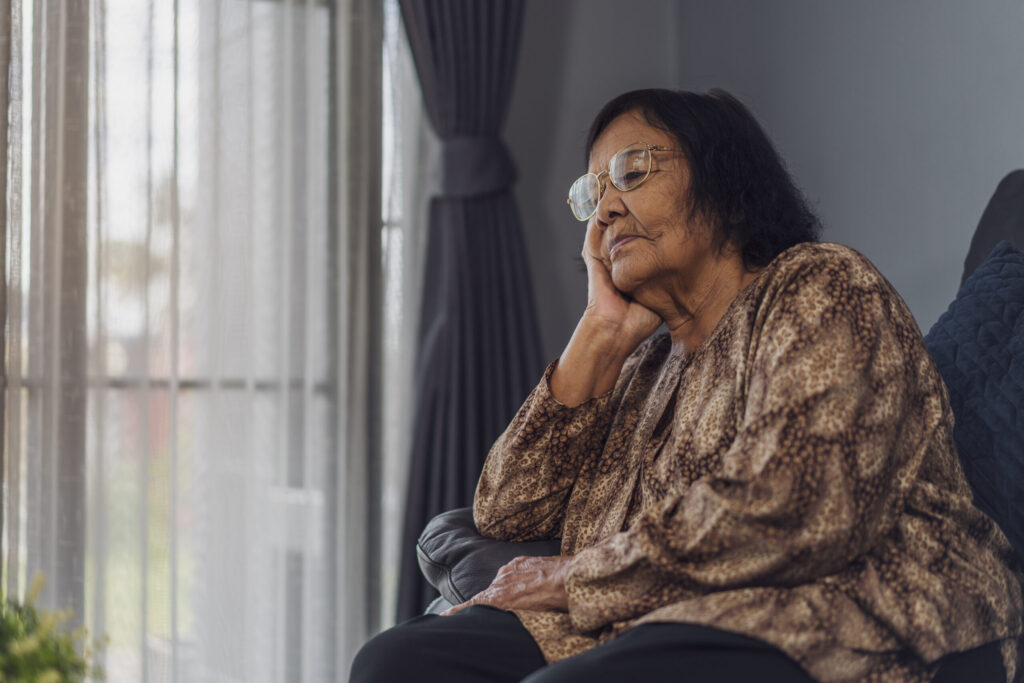
Winter doesn’t have to be a time of isolation or sadness. By staying active, connected, and engaged in meaningful activities, your loved one can feel seen, supported, and included, no matter how cold it gets outside.
Our elders often experience more emotional weight during winter. Shorter days, less social time, and increased physical pain can lead to withdrawal, sadness, or depression. That’s why we create routines with human connection and constant stimulation, every single day.
Emotional Wellness Tips
- Virtual Programming
Online activities, games, or faith-based chats help seniors stay engaged and feel part of something meaningful. - Daily Check-Ins
Whether it’s a caregiver, grandchild, or neighbor, scheduled calls or visits remind your elder they are loved and remembered.
At Pristine, we believe no one should go a day without feeling cared for. - Cozy Routines
Create daily rituals: morning coffee with a favorite song, lunchtime crosswords, or evening TV time.
Comfort comes from predictability. - Address SAD Symptoms
If your elder feels down or lethargic, consider a light therapy lamp. They mimic natural sunlight and boost mood. - Upgrade Lighting
Insulation and shorter days reduce daylight exposure. Bright LEDs improve visibility and mood, reducing emotional and fall-related risks. - Gentle Indoor Movement
In colder months, joint pain worsens. Encourage light stretching, hallway walks, or even chair yoga to ease stiffness and promote better circulation—always with warmth and support. - Offer Creative Tools
Feeling cold often makes elders retreat into inactivity. But puzzles, journaling, favorite songs, and art can bring life back into a quiet room.
And don’t just hand them a puzzle. Sit with them, play with them. Show them they matter and are loved.
Minding the Mind: Boosting Senior Mental Sharpness

Our elders carry decades of stories, knowledge, and wisdom. But winter stagnancy can impact cognitive health.
At Pristine, we believe that mental stimulation is a form of dignity, and a way to help seniors feel like themselves again.
Brain-Boosting Strategies
- Use Brain Games
Memory cards, crosswords, and trivia spark creativity and reinforce neural connections. - Post Reminders
Sticky notes or digital alerts can help keep track of medications, appointments, and routines. - Medication Organizers
Color-coded or timed pill boxes reduce confusion and risk of missed doses. - Create Simple Daily Routines
Routine isn’t boring, it’s comforting. Knowing what to expect reduces mental strain. - Label Key Items
Large-print labels or picture tags can help those with cognitive decline navigate their space confidently. - Smart Home Devices
Voice assistants like Alexa can provide reminders, play music, and offer companionship. - Music as Memory Therapy
Familiar tunes tap into long-term memory, evoke emotions, and soothe anxiety.
Health Comes First: Medical Safety in the Cold Months
The smallest health oversight can become a winter emergency. From medication management to breathing support, staying medically safe in the winter requires forethought, and someone in your corner.
Medical Safety Must-Dos
- Book Appointments Early
Avoid weather cancellations by scheduling checkups and vaccinations in early winter. - Order Meds in Advance
Keep at least 30 days stocked. Cold weather often causes delivery or pharmacy delays. Plan in advance for oxygen tanks as well – always check the pressure gauge. A full tank reads around 2000-2200 PSI. Replace or refill it when the needle drops to the red zone, which is typically below 500 PSI. - Use a Humidifier
Dry indoor air worsens respiratory conditions. Use EPA-safe humidifiers to balance moisture levels. - Apply for LIHEAP Energy Assistance
If you’re eligible, you could receive financial help for heating. Learn more and apply here. We’ll help you every step of the way.
Let’s Keep Our Elders Safe, Warm, and Loved
Winter doesn’t have to be isolating. With care, creativity, and compassion, it can be a season of comfort and connection.
At Pristine, we don’t just check boxes, we create warmth, safety, and relationships rooted in dignity and trust.
If your elder needs more support this winter, you don’t have to figure it out alone. Our culturally fluent caregivers speak your language, know your neighborhood, and treat your family like our own.
Contact Pristine Home Care today — we’re ready to help you keep your loved one safe, warm, and thriving.
Frequently Asked Questions on Keeping Elders Safe This Winter
Q: How do I know if my parents are safe at home this winter?
A: Look for signs like feeling cold, isolating themselves, drafty living areas, skipping meals, or avoiding movement. These could signal risks Pristine can help assess.
Q: What are signs my grandmother/grandfather is feeling emotionally isolated and sad during the winter or even prior? What should I do?
A: Signs include sleeping more, showing little interest in conversation, avoiding favorite hobbies, or appearing withdrawn. Start with love: reach out, visit, or talk to a professional. Our caregivers are trained to spot emotional distress and provide gentle, consistent connection through daily support.
Q: Can Pristine help with applying for heating or medical benefits?
A: Yes. We help families apply for LIHEAP, Medicaid waivers, and additional support programs.
Q: Do you offer bilingual care or culturally matched caregivers?
A: Absolutely. We proudly serve families in English, Arabic, Spanish, Hindi, Malayalam, Russian, and Tagalog. Learn more here.